The Battle for Water: Advantages and Disadvantages of RO and Filtered Tap


In the current era, access to safe drinking water is vital, prompting discussions and debates over the optimal approaches of water purification. Two popular options that often come up are RO water systems and tap water that is filtered. Each method offers distinct advantages and challenges, raising the question of which method is more beneficial for our well-being and health. Knowing the distinctions between RO systems and water from the tap can help you decide wisely that aligns with your water consumption requirements.
RO water, known for its extensive purification process, claims to remove a wide range of contaminants, providing clean water that many consider crucial for healthy hydration. In contrast, tap water that has been filtered presents a more convenient and environmentally friendly alternative, making it an desirable option for those seeking to reduce waste from plastic and promote eco-consciousness. As we delve deeper into the benefits and drawbacks of these methods, we will discuss their effects on taste, health, and environmental impact, helping you determine which solution best fits your lifestyle.
Grasping RO
Reverse osmosis, often known as reverse osmosis, represents a water purification process that uses a selectively permeable membrane to eliminate impurities from water. Throughout this process, water is forced through the membrane using pressure, enabling only water molecules to pass while blocking contaminants such as salt, mineral content, and coarser particles. This technology is often employed for producing pure drinking water, making it an attractive option for households focused on the quality of their faucet water.
One of the primary benefits of reverse osmosis is its ability to substantially lower the presence of toxic materials, including heavy metals, chlorine, and microorganisms. By successfully filtering out these contaminants, RO systems can provide families with safe water that boosts their health and well-being. Additionally, this cleaning technique helps boost the flavor and odor of water, encouraging people to keep hydrated with pure drinking H2O.
While reverse osmosis provides many pros, it is important to take into account its disadvantages. The process can be excessive, as it tends to discard a significant amount of water in addition to contaminants, leading to concerns about water efficiency. Moreover, the elimination of nutrient-rich minerals during purification can leave the water devoid of certain nutrients. Ultimately, deciding on reverse osmosis should require considering these benefits and drawbacks in the context of individual needs and preferences for potable water.
Upsides of Reverse Osmosis Water
RO, or reverse osmosis water, offers several notable advantages that render it a preferred choice for people wanting pure drinking water. A primary benefits is its ability to thoroughly filter out contaminants from the water supply. This entails not only ordinary contaminants like chlorine residues and heavy metals but also harmful substances such as pesticides and industrial waste. As a result, RO water provides a standard of safety and cleanness that contributes to healthier drinking.
Another significant benefit of RO water is its flavor and crispness. Through removing dirt and impurities, RO systems improve the taste of drinking water, making it more enjoyable. Many people find that RO water tastes purer and fresher compared to ordinary tap water, which may have residual chemical substances or mineral traces. This enhanced taste can encourage healthier hydration habits, promoting overall health and wellness.
Finally, buying a RO system can result in cost savings eventually. Though there is an first expenditure, the sustained advantages of having access to clean drinking water without the need for bottled water can be significant. Residents can enjoy clean water for multiple uses, from cooking to brewing coffee, while lowering waste and reducing their impact on the environment. This combination of health advantages and economic advantages makes RO water an attractive solution for numerous households.
Filtered Faucet H2O: A Comprehensive Guide
Purified faucet H2O offers a practical alternative for those seeking pure H2O without the extensive processes associated with reverse osmosis units. Using a range of filtering methods, such as activated carbon and particulate filters, filtered faucet H2O can efficiently remove contaminants such as chlorine, toxic metals, and other contaminants. This makes it a popular choice for households looking to improve the taste and safety of their drinking water while keeping access to necessary minerals.
One of the key advantages of purified tap water is its ease of use. Most families can readily install a filter on their kitchen tap or use a pitcher with a integrated filter. This makes clean H2O readily available for hydration, cooking, and making beverages. Additionally, purified faucet water is typically far more economical than purchasing packaged H2O or setting up a RO unit, allowing families to save costs while promoting wholesome drinking practices.
However, purified tap H2O does have its drawbacks compared to reverse osmosis water. While it can significantly enhance water quality, it might not remove all impurities, particularly those that are tiny or occur in larger quantities, like certain microorganisms or soluble impurities. Consequently, while filtered faucet H2O is a solid option for most, people with particular medical concerns may need to consider the level of filtration they require and whether further filtration methods might be necessary to ensure safe drinking water.
Contrasting Reverse Osmosis Water and Filtered Tap
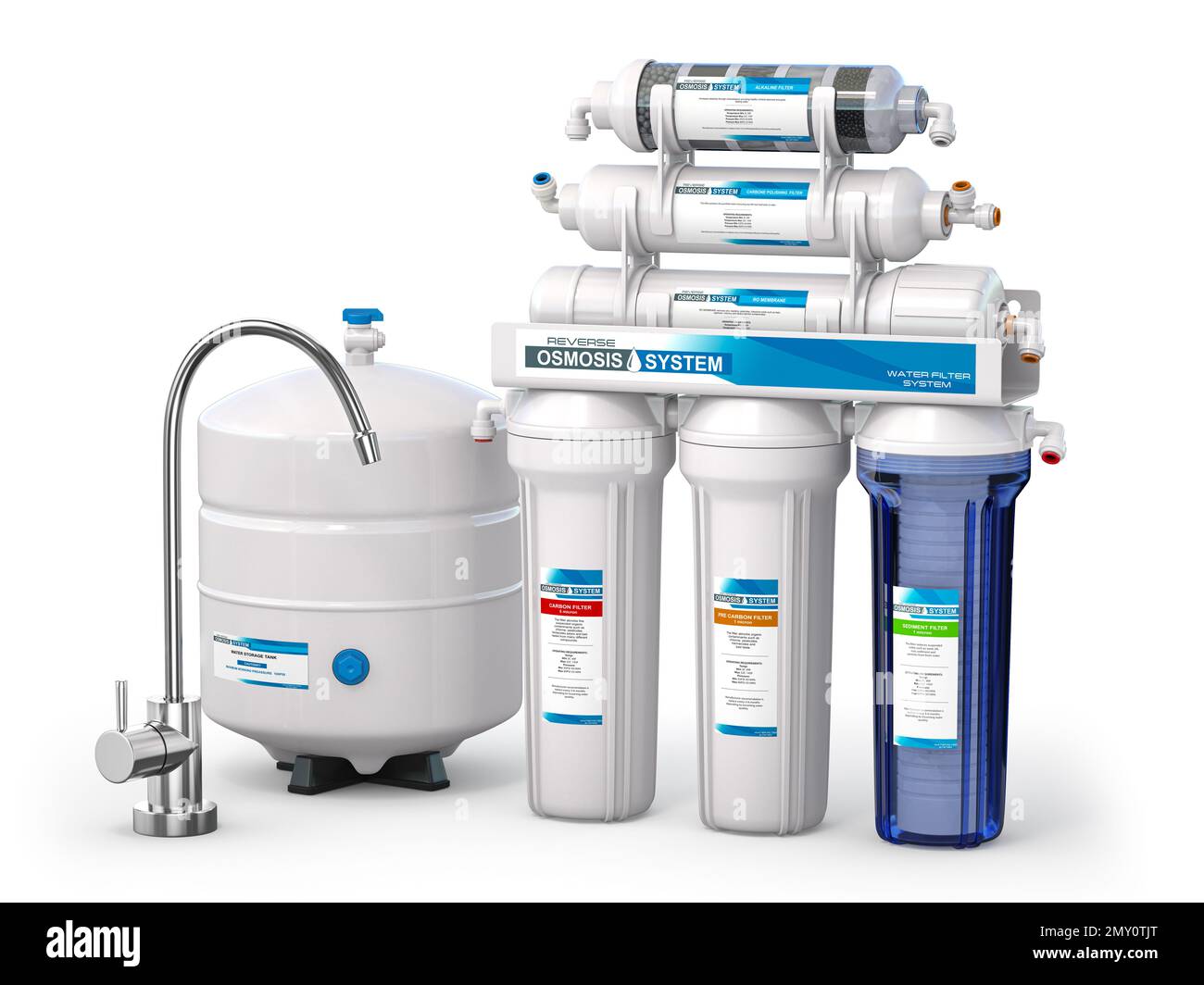
In the context of choosing between RO water and treated tap water, both options possesses unique notable features that cater to varied requirements. Reverse drinking water supplier near me , known for the stringent water purification process, effectively eliminates pollutants, such as harmful metals, toxic substances, and pathogens. This process produces clean potable water which satisfies high safety minimal contamination levels, making it an enticing option for those worried about contaminants in their water supply.
Conversely, filtered tap water employs multiple filtration techniques to diminish pollution while retaining a few essential nutrients. Water filtration systems, such as carbon filtration systems, offer clean water by eliminating chlorine compounds and sediment, which can elevate taste and odor. Although filtered tap water can be less be as thorough as reverse osmosis water in filtering out every contaminants, it still delivers a secure and convenient source of hydration, often exhibiting less environmental impact.
At the end of the day, the decision between choosing RO water and filtered tap water is influenced by individual preferences and specific water quality issues in your region. If you prefer the utmost level of purity and are willing to spend on a more complex filtration system, reverse osmosis water could be the best choice. Conversely, if you seek a balance between purity and preserving essential nutrients, tap water after filtration could be the ideal option for meeting your hydration requirements.
Making the Right Decision for Water Consumption
Deciding between reverse osmosis water as well as filtered tap water ultimately is based on individual requirements and situations. RO water offers an extensive purification process that removes a variety of impurities, making it an outstanding option for those with who have less than ideal tap water quality. Its advantages of purity and taste can greatly enhance hydration, making certain that you are drinking clean water free from harmful substances.
On the flip side, tap water that is filtered can be a more eco-friendly option. It often preserves essential minerals that can be advantageous for health, while still minimizing impurities. For people who are mindful about environmental impact and want to avoid the waste generated by bottled water, filtered tap water presents a viable alternative. It offers a balance of quality and ease for everyday hydration requirements.
Ultimately, the most suitable choice for hydration depends on individual preferences, budget, and water quality in your area. Assessing the specific contaminants present in your tap water and taking into account your hydration goals will help guide your decision. Whether you favor the advanced purification of reverse osmosis systems or the accessibility of filtered water, both options can support a more wholesome lifestyle when chosen wisely.